
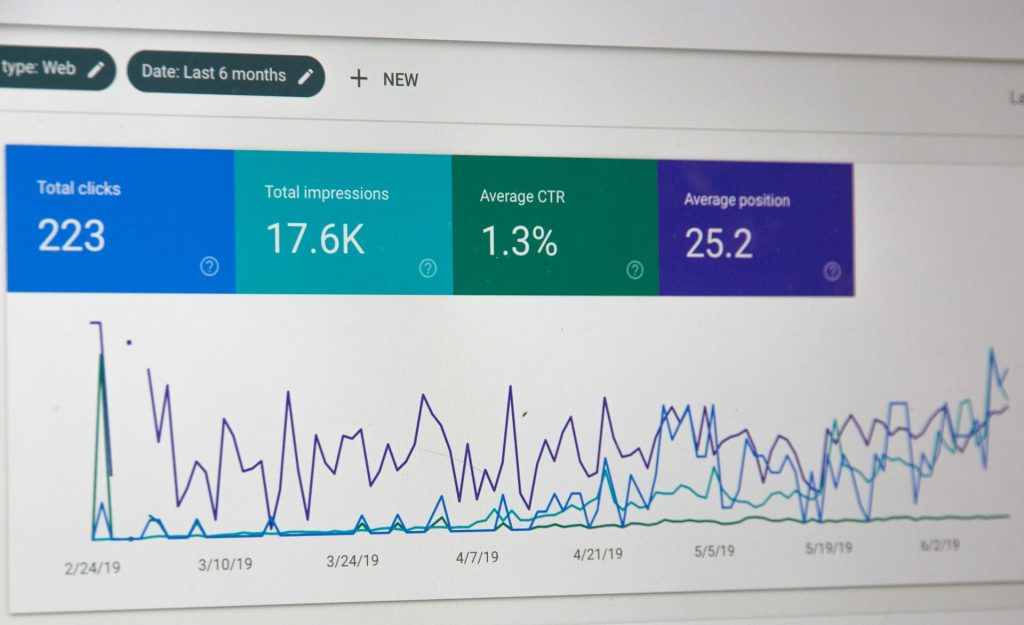
It is not the case that all backlinks have equal value. In the field of medicine, the ramifications are far more serious. While a spam link on an e-commerce website might briefly affect the rankings, spam links on a medical practice website can cause manual actions to be taken, damage the trust of patients and reputation, even after the algorithm itself has healed.
This is not speculation; rather, it is a consequence of the YMYL (Your Money or Your Life) principles established by Google, which apply the highest standards of quality assessment to any medical-related content compared to other fields of search. As Therapeia Marketing a healthcare SEO provider explains Google analyses all information based on the E-E-A-T concept: Experience, Expertise, Authoritativeness, and Trustworthiness.
A link from a medical school signifies Authoritativeness. A link from a local newspaper that helps in making the community aware means Trustworthiness. However, on the other hand, a link from a generic directory or even guest post farms posing as health blogs means the opposite. That influence is purchased rather than earned.
According to an analysis by eSEOspace published recently, “Healthcare is the most high-stakes SEO vertical in 2026 as errors affect patients’ safety and not just profit.” This is the reason why healthcare link building can never use the same strategy as restaurants, e-commerce sites or SaaS firms.
Where Healthcare Backlinks Should Come From

Medical establishments and educational establishments (with .edu URLs)
Backlinks from medical schools, teaching hospitals, and research facilities carry enormous importance.
Such websites are automatically trustworthy, and the connection itself tells Google that the practice is institutionally approved. Examples: referral information pages for university-affiliated hospitals, continuing education collaboration, research partnership, and medical students resources pages.
Healthcare Associations and Professional Organizations
The specialty boards, licensing bodies, and professional organisations prepare directories of the providers. The inclusion in the directories is not just based on citation rates but rather on the demonstration of credentialing and good standing. Examples: American Medical Association member directories, specialty society providers directories, state medical boards verification directories.
Local News and Community Organizations
In the case of practitioner-facing websites, relevance to the locality is just as crucial as domain authority, and links from community newspapers, chambers of commerce, and health-related non-profit organisations show that the practice is a part of the local healthcare environment. Examples: Sponsorship at health fairs mentioned in the local media, charity event coverage, patient testimonial coverage in the regional press.
Peer-Reviewed Publications and Health Journals
Getting cited within the medical literature, such as through an article summarizing a study, is a sign of being an expert. This type of earned media, where journalists approach you for a quote, represents great E-E-A-T. Examples: a doctor quoted in an article about a disease, a medical facility mentioned in a study about patient outcomes, expert commentary on new guidelines for treatments.
Patient Advocacy Groups and Nonprofits
Organizations that target certain diseases usually have lists of providers or educational tools. Links from such resources show that you are helping your patients to go through their journey towards better health.
Examples: directories of providers by disease-specific foundations, collaboration with support groups, and promotion of health screenings.
The Cost of Getting It Wrong

However, even a single backlink of poor quality can result in disproportionate consequences in healthcare SEO, namely:
Manual Action Penalties: Unlike algorithmic changes which usually resolve themselves, manual action penalties will require submitting a reconsideration request, as well as proof of rectification of your link profile. The process might take several months.
AI Search Suppression: According to the predictions of Rank Math for 2027, AI search engines are now giving more priority to E-E-A-T criteria when choosing the sources of medical information. Your poor backlink profile may render your content non-representable in AI search results—the new “zero click” search [[1]][[9]].
Decrease in Patient Trust: Patients will lose confidence if they find your clinic’s name linked from dubious websites or spammers’ directories. Healthcare decisions always carry risk; therefore, patients should be sure that the source of their information is reliable.
According to the healthcare SEO audit performed by Rankved, “one backlink from an NHS website, hospitals, medical university, or health journalism publication carries more trust signal than fifty links from general directories and/or guest post websites.” This ratio 50:1 illustrates the quality-over-quantity approach typical of healthcare link building [[3]].
In conclusion
With regard to the healthcare industry, backlinks are more than just about rankings; they denote trust from patients, legality, and sustainability. One bad link could spoil all the efforts made by a practitioner during years, while one earned link from an honest medical facility will open doors that no money spent on link building would ever do.
If link building is perceived as math, the wrong field is chosen. There should be nothing random about healthcare SEO – it should be accurate, patient, and take into account the enormous importance of its tasks. Done right, it will help build a practice worthy of trust from its patients.


Leave a Reply